Table of contents
Step into a world where traditional Italian cuisine meets relaxed, everyday dining. Discover how authentic flavors, time-honored recipes, and a warm atmosphere come together to create a unique culinary experience that’s both accessible and unforgettable. Continue reading to explore the heart of Italy served in a casual setting, and find out how you can experience genuine tastes without formality.
The essence of Italian dining
Authentic Italian food in a casual Italian dining environment is characterized by a warm, inviting atmosphere where sharing and togetherness are at the heart of every meal. Italian cuisine is celebrated for its focus on fresh, high-quality ingredients and its commitment to traditional recipes that balance simplicity with bold Italian flavors. Communal eating is a staple: large platters of pasta, rustic breads, and a vibrant selection of antipasti encourage guests to taste, share, and engage in spirited conversation. Every detail, from the casual presentation to the use of regional produce, highlights the genuine warmth and openness that define casual Italian dining. To provide a deeper insight into these culinary traditions, the executive chef is invited to elaborate on how antipasti—featuring items like marinated vegetables, cured meats, and artisanal cheeses—serve as both a flavorful introduction and a reflection of the regional diversity found throughout Italy.
Fresh ingredients take center stage
The magic of a truly authentic Italian menu is deeply rooted in the use of fresh Italian ingredients, reflecting centuries-old Italian traditions. Seasonal produce is the backbone of every reputable Italian kitchen, with chefs crafting menus that change throughout the year to showcase the best flavors each season has to offer. This dedication to freshness is not just about taste; it’s about honoring a heritage where food is meant to be enjoyed at its peak, prepared simply to let natural flavors shine. In a relaxed setting, this philosophy transforms the dining experience, as guests savor dishes inspired by the rhythms of Italy’s harvests. Sourcing plays a pivotal role, with many establishments adopting a farm-to-table approach to ensure only the highest quality ingredients make it to the plate. By working closely with local farmers and purveyors, chefs select vibrant vegetables, just-picked herbs, and perfectly ripened fruits, all of which are prepared using time-tested techniques that preserve their integrity. This not only enhances the authenticity of the flavors but also deepens the connection between the diner and the Italian kitchen. To delve deeper into this process, the head of sourcing is asked to discuss how the farm-to-table philosophy directly impacts the taste and authenticity of each carefully crafted dish.
Rustic dishes that tell a story
Rustic Italian dishes serve as flavorful ambassadors of regional Italian cuisine, capturing the essence of local traditions and centuries-old customs with every bite. In casual dining settings, such as trattorias or osterias, these plates offer a window into Italian culinary heritage, where recipes often stem from cucina povera—the philosophy of making the most of simple, seasonal ingredients. Whether savoring Tuscan ribollita, hearty Sicilian caponata, or creamy Roman cacio e pepe, diners experience Italian comfort food that speaks directly to its geographic roots. Each dish not only satisfies hunger but also shares a narrative of resourcefulness, family, and community, making it a centerpiece of Italian specialties in both rural kitchens and modern urban eateries.
As rustic Italian dishes gain popularity beyond Italy, their authentic flavors and stories find new audiences in contemporary restaurants. Menus highlighting regional Italian cuisine allow guests to sample traditional fare such as Neapolitan ragù, Venetian sarde in saor, and Ligurian farinata, each reflecting the landscape and cultural history of its origin. The preservation of these recipes is often championed by culinary historians, whose insights into cucina povera enrich the dining experience and deepen appreciation for Italian comfort food. The integration of rustic Italian dishes in casual settings not only honors the past but also ensures that Italian culinary heritage remains vibrant and accessible to future generations.
Pairing with Italian beverages
Italian drink traditions bring a vibrant dimension to casual Italian meals, where each dish finds harmony with a carefully chosen beverage. Classic Italian wine pairings remain a cornerstone, such as serving a crisp Pinot Grigio with light antipasti or a robust Chianti alongside rustic pasta dishes. For pizza, the effervescence of a Lambrusco not only cleanses the palate but also complements rich tomato sauces and melted cheeses. Aperitifs like Aperol Spritz or Campari-based cocktails are often enjoyed before meals, awakening the senses and setting a welcoming tone for the gathering. Non-alcoholic options, including San Pellegrino or homemade lemonades, offer refreshing alternatives that respect tradition while catering to all guests.
A skilled sommelier will highlight the role of digestivo—bitter liqueurs such as amaro or limoncello—served after a meal to aid digestion and complete the experience. These selections, rooted in Italian heritage, elevate the casual setting by inviting diners to linger and savor the moment. In settings known for their authentic atmosphere and carefully curated Italian beverages, such as Best italian in Bangkok, diners discover how thoughtfully paired drinks can transform even modest dishes into memorable culinary occasions.
Creating a welcoming atmosphere
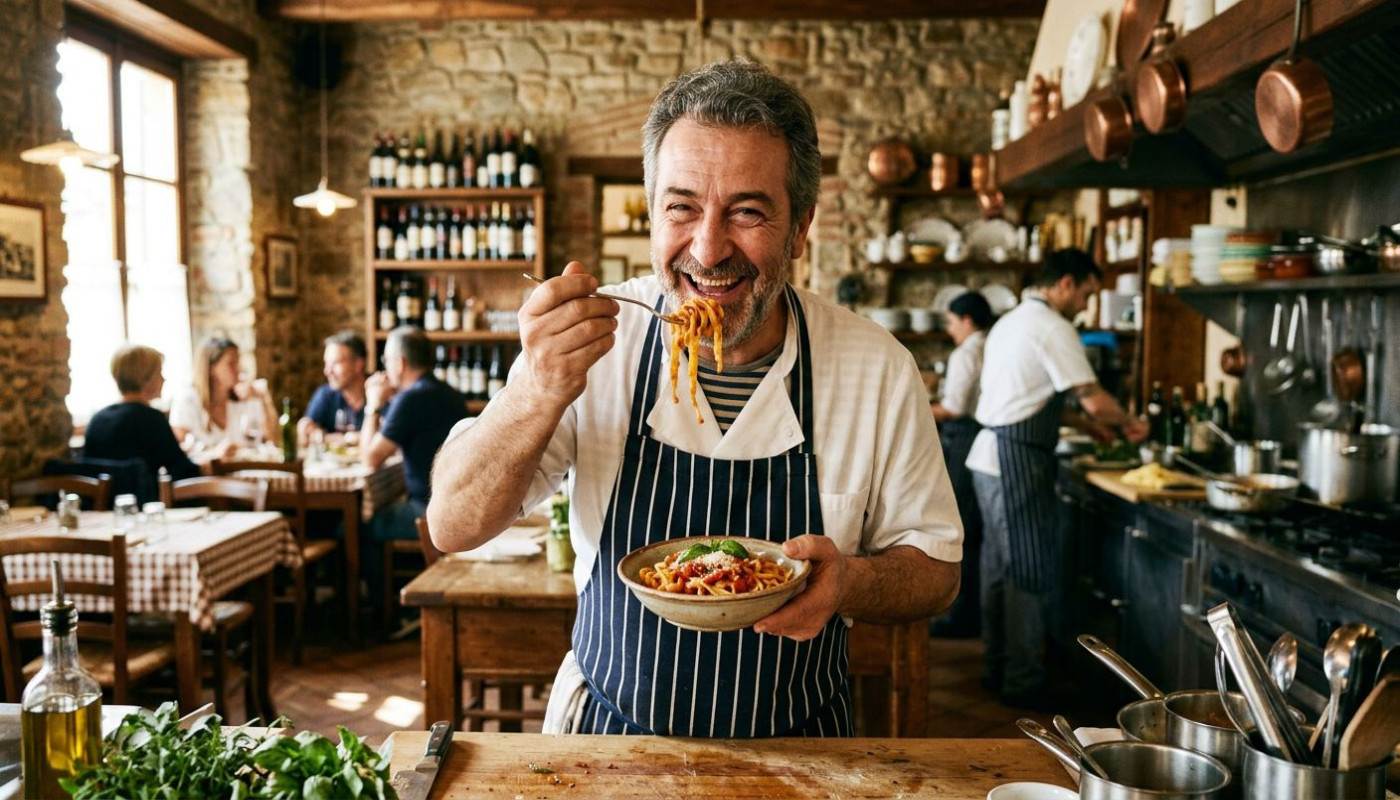
The Italian dining atmosphere thrives on genuine warmth, relaxed charm, and a sense of belonging that envelops guests from the moment they step through the door. In a casual Italian restaurant, the décor often blends rustic wood furnishings with soft lighting, vibrant ceramic accents, and family-style tables to promote lively conversation and shared plates—a hallmark of the authentic Italian dining experience. Service plays a pivotal role, as staff members embody Italian hospitality with friendly greetings, personalized recommendations, and attentive care that make every diner feel like part of the family. To recreate this cozy Italian setting at home or in a small eatery, opt for earth-toned color palettes, communal seating, and subtle elements like olive branches or vintage posters. Enhance the experience by inviting guests to linger over meals, and encourage a relaxed pace that mirrors the traditions found in a classic trattoria. When seeking advice, a restaurant manager suggests focusing on the small details—such as hand-written menus, open kitchens, and the aroma of freshly baked bread—to truly capture the inviting spirit of Italian dining.
On the same subject
